


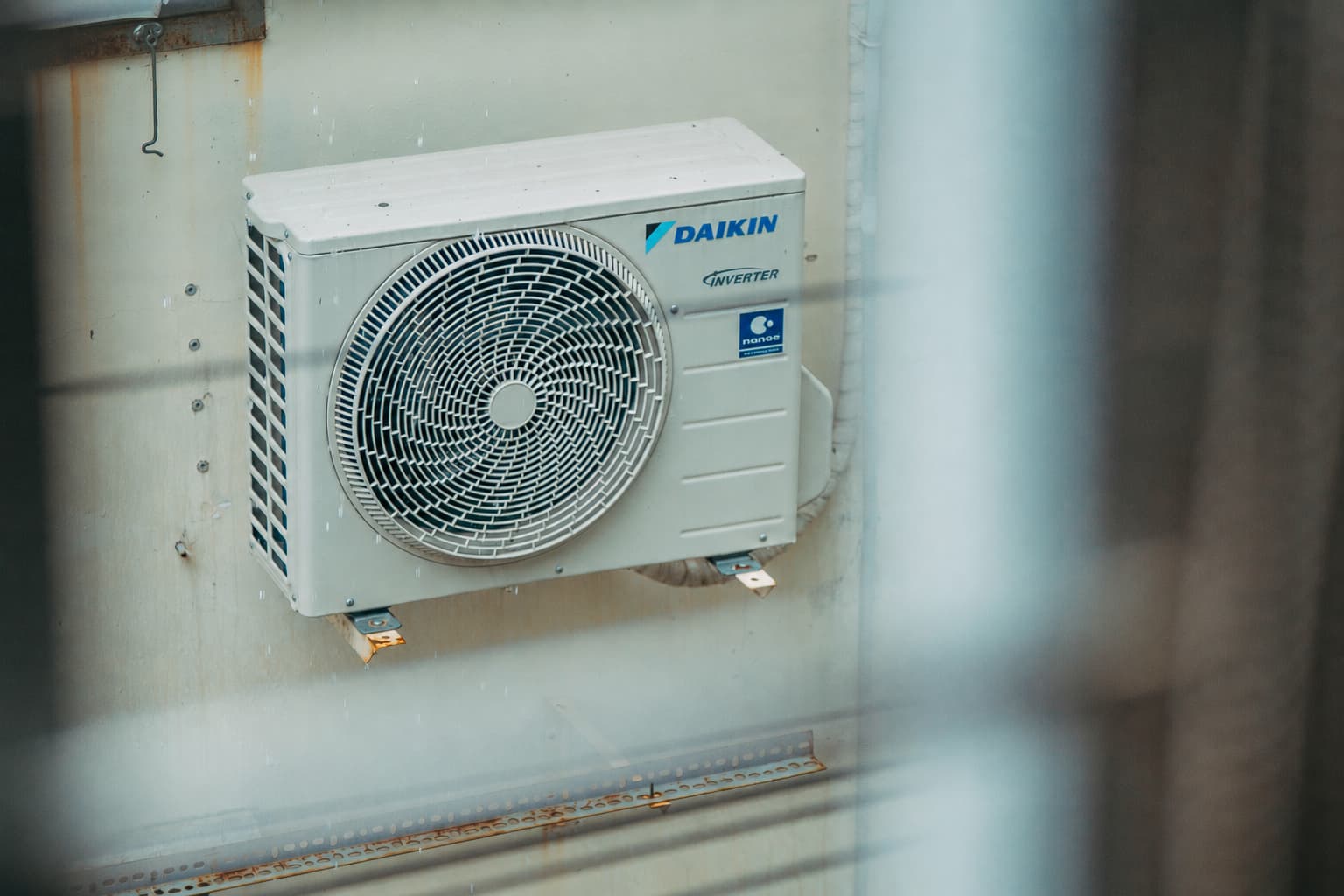
The HVAC sector is undergoing technical and regulatory restructuring that affects the entire production chain, from manufacturing to maintenance. The ratification of the Kigali Amendment to the Montreal Protocol, which Brazil adopted in 2022, established a timeline for the gradual phase-out of hydrofluorocarbons (HFCs), gases traditionally used in air conditioning and refrigeration equipment that have a high global warming potential. The national plan calls for a freeze on consumption in 2024 and an 80% reduction by 2045 compared to the average from 2020 to 2022.
At the same time, Inmetro revised the minimum energy efficiency standards through Ordinance 234/2020, replacing the former EER index with the IDRS (Seasonal Cooling Performance Index). The classification in effect since 2023 requires a minimum performance of 5.5 for Class A, with an increase to 7.0 expected starting in 2026.
The Replacement of Refrigerants
Hydrofluorocarbons have a global warming potential thousands of times greater than that of CO₂. The ongoing transition is shifting toward alternatives such as R-32, which has a lower GWP than traditional HFCs, and natural refrigerants such as R-290 (propane) and R-600a (isobutane), which have a global warming potential close to zero.
Patrick Galletti, a mechatronics engineer and CEO of Grupo RETEC, notes that this transition combines environmental progress with operational gains. Modern systems consume less energy, require more predictable maintenance, and operate with low-impact refrigerants. Each refrigerant requires compatible equipment, specific installation and handling procedures, and adequate technical training for the installation team.
Energy Efficiency in Buildings
Surveys by the International Energy Agency indicate that air conditioning and refrigeration systems account for about 10% of global electricity consumption. In Brazil, this percentage is even higher in corporate and public buildings. Choosing equipment with Inmetro’s Efficiency Class A certification, using inverter technology, and proper sizing reduce energy consumption without compromising thermal comfort.
In medium- and large-scale projects, systems such as VRV and chilled water systems operate more efficiently than traditional solutions when properly designed. Accurately assessing occupancy, thermal load, and usage schedules determines the actual energy savings achieved.
Automation and Smart Control
Occupancy sensors, air quality sensors, programmable thermostats, and remote management platforms allow equipment operation to be adjusted according to the actual occupancy of the space. Integration via the Internet of Things expands monitoring and control capabilities, resulting in energy savings and greater predictability in maintenance.
In corporate buildings, operation by thermal zones prevents the waste of HVAC energy in unoccupied areas. In hospital settings, precise control of temperature, humidity, and air exchange meets regulatory and operational requirements. The choice of automation tools depends on the size of the system and the project’s objectives.
Preventive Maintenance and PMOC
Law 13.589 of 2018 made the implementation of the Maintenance, Operation, and Control Plan (PMOC) mandatory in buildings with air conditioning systems. Estimates from Abrava indicate that approximately 40% of air conditioning system failures could be prevented with proper preventive maintenance. In addition to the legal requirement, the PMOC organizes system operation, extends the service life of equipment, and maintains energy performance within the design range.
Equipment that is not maintained consumes more energy, loses cooling capacity, and increases the risk of failure at critical moments. In sustainable HVAC, maintenance is part of the design—not an additional expense.
What to Consider in Technical Decisions
- - Specify equipment with an Inmetro A-rated energy efficiency label and inverter technology compatible with the application.
- - Choose refrigerants with low global warming potential, such as R-32, R-290, and R-600a, depending on the application.
- - Implement preventive maintenance in accordance with the PMOC, including periodic leak checks.
- - Integrate sensors and automation to reduce energy consumption during periods of low occupancy.
- - Consider the equipment's life cycle, including operational efficiency, maintenance, and environmental performance.
RETEC provides solutions for air conditioning, ventilation, exhaust, and refrigeration with a focus on energy efficiency and technical compliance. For projects that combine operational performance with low environmental impact, please contact the sales team.
We were featured in an article on this topic on Terra (Planet / Sustainability / Sustainable Business). The topic of sustainable climate control was addressed in an article featuring Patrick Galletti, CEO of Grupo RETEC. Read it at: https://www.terra.com.br/planeta/sustentabilidade/negocios-sustentaveis/climatizacao-sustentavel-une-eficiencia-e-baixo-impacto,951893cba53bfa02759e76db0d3db656ss0tdrqa.html