


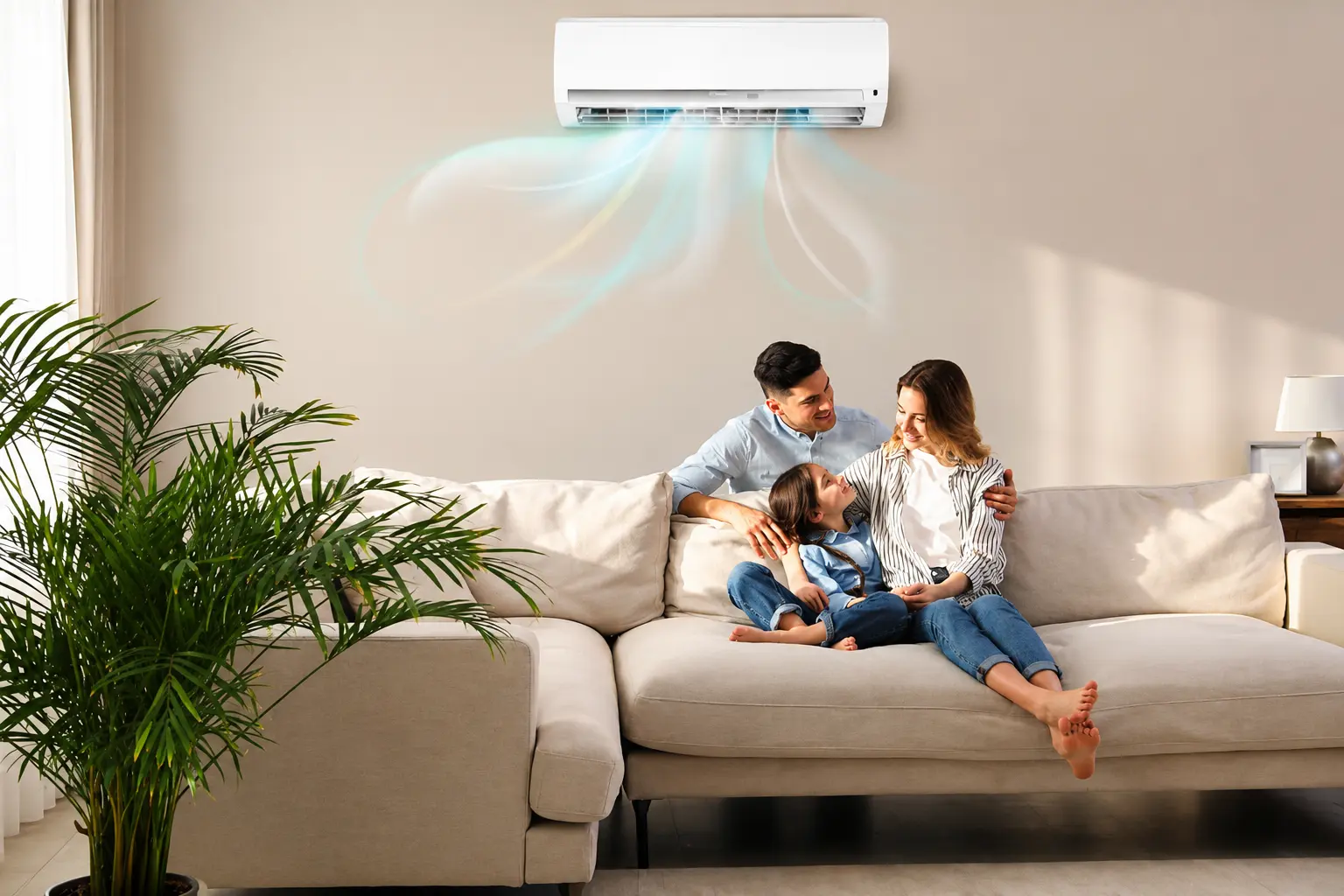
Properties equipped with smart climate control systems can see their value increase by up to 30% and enjoy greater marketability when sold or leased, according to industry experts. Buyers’ technical criteria have changed. Total cost of ownership over time, energy efficiency, and indoor air quality are now key factors in purchasing decisions, especially in the corporate and high-end residential segments.
What Has Changed in the Perception of Value
Patrick Galletti, a mechatronics engineer and CEO of Grupo RETEC, notes that buyers are paying closer attention to the long-term cost of a property. An efficient HVAC system reduces monthly energy costs, prevents operational failures, and makes the property more competitive in the market. This directly impacts the final price and the speed at which the property is sold.
This change reflects a structural transformation in the real estate market. In corporate projects, metrics such as energy consumption, operational performance, and air quality have been incorporated into asset evaluation spreadsheets. In high-end residential projects, continuous comfort and operational predictability have become key factors in buyers’ decisions.
What is included in the definition of smart climate control
Smart systems utilize occupancy sensors, automation, zone-based temperature control, and integration with building management platforms. The system adjusts equipment operation based on the space’s actual demand. Instead of operating all day as if the space were at maximum occupancy, the system reads actual usage and responds by providing energy savings and thermal stability.
Integration with lighting, security, and building management systems rounds out the concept. Real-time monitoring, automatic adjustments, and predictive maintenance provide greater control over the asset’s performance. This reduces failures, extends the equipment’s service life, and keeps the property competitive over time.
Retrofit: The Gateway to Existing Assets
The modernization of older buildings through retrofitting has been a key driver of this transformation. Projects that incorporate smart climate control into existing buildings make it possible to reposition outdated properties in the market. Patrick Galletti explains that retrofitting restores value to properties that have lost their competitiveness, with controlled investment and benefits realized by the buyer or tenant.
In corporate buildings, retrofitting HVAC systems has a direct impact on occupancy, vacancy rates, and attractiveness to companies with ESG goals. In residential buildings, modernizing the central HVAC system provides operational predictability, cost savings, and increased value per square meter.
Environmental Certifications and Corporate Social Responsibility
Environmental certifications such as LEED and AQUA consider HVAC performance among their key evaluation criteria. In corporate buildings, this influences the attractiveness of the property to companies committed to environmental sustainability. At the same time, inadequate ventilation and temperature conditions affect teams’ cognitive performance and productivity, according to studies by the Harvard T.H. Chan School of Public Health, which reinforces the technical assessment of the property.
Properties with smart climate control reduce vacancy time, attract qualified tenants, and maintain value over time. Climate control is no longer just an operational accessory; it has become a strategic component in determining a property’s value.
What to Consider When Making Investment Decisions
- - Assess the condition of the HVAC systems in the properties under review, including age, efficiency, and maintenance schedule.
- - Consider the cost of retrofitting existing assets as a factor in market repositioning.
- - In new projects, specify smart climate control from the design phase, integrated with building automation.
- - Analyze the impact of HVAC systems on the environmental certifications the project is seeking.
- - Verify compliance with the PMOC and the predictability of operations throughout the asset's lifecycle.
RETEC provides solutions for air conditioning, ventilation, exhaust, and air treatment in residential and commercial real estate projects, including retrofit projects. For technical specifications tailored to each type of property, please contact the sales team.
We were featured in an article on this topic on the Radar Imobiliário website. The topic of increasing property values through smart climate control was discussed in an article featuring Patrick Galletti, CEO of Grupo RETEC. Read it at: https://portalradarimobiliario.com.br/noticia/8291/climatizacao-inteligente-valoriza-imoveis-em-ate-30-e-acelera-velocidade-de-venda